

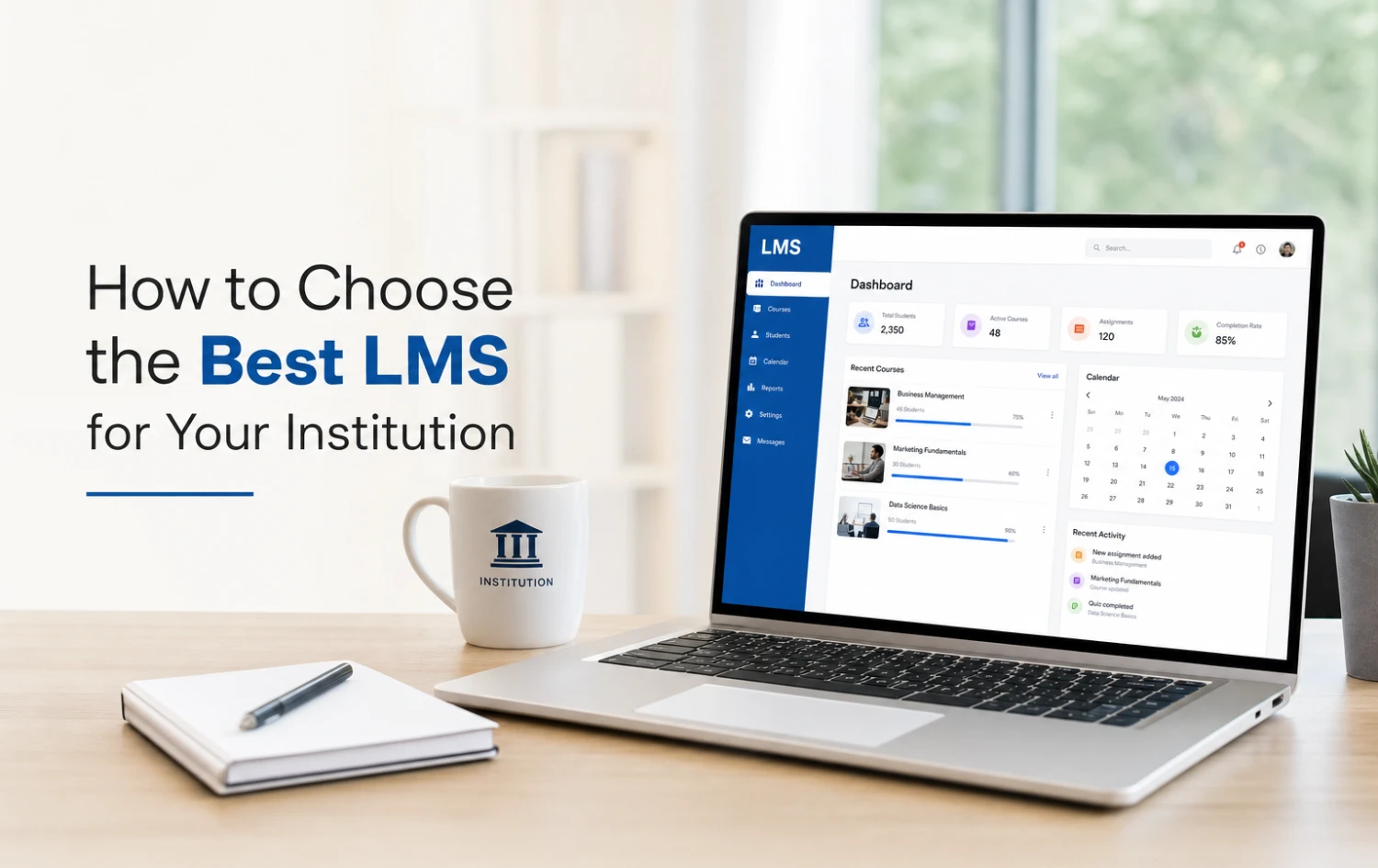
Choosing the right Learning Management System (LMS) for your institution can significantly impact the educational experience you provide. An effective LMS enhances learning, improves engagement, and streamlines administrative tasks. In this comprehensive guide, we will explore the essential factors to consider when selecting the best LMS for your educational needs.
Understanding Learning Management Systems
A Learning Management System is a software application for the administration, documentation, tracking, reporting, and delivery of educational courses or training programs. LMS platforms can be cloud-based or installed on local servers and vary widely in features and capabilities.
Types of Learning Management Systems
- Cloud-based LMS: These systems are hosted on the vendor's servers and accessed via the internet. They require minimal IT maintenance and are scalable.
- Self-hosted LMS: Installed on the institution's servers, offering greater control and customization but requiring IT resources for maintenance.
- Open-source LMS: These allow for extensive customization and flexibility without licensing fees but may require significant technical expertise to manage.
Identify Your Institution’s Needs
Before diving into LMS options, it's vital to assess your institution’s specific needs. Consider the following:
- Target Audience: Identify whether your LMS will cater to K-12, higher education, or corporate training. Each audience has different requirements.
- Learning Objectives: Align your LMS selection with the educational goals, whether it’s improving engagement, tracking progress, or facilitating blended learning.
- Scalability: Ensure the LMS can grow with your institution, accommodating increasing numbers of users and courses.
A reliable LMS software development approach should consider scalability, security, usability, and future expansion from the beginning.
Evaluate Key Features and Functionalities
Once you’ve outlined your needs, evaluate the features of potential LMS platforms. Here are some critical functionalities to look for:
- Ease of Use: A user-friendly interface is essential for both instructors and students. Consider platforms that offer intuitive navigation.
- Mobile Compatibility: With the rise of mobile learning, ensure that the LMS is accessible on various devices.
- Integration Capabilities: Look for an LMS that integrates seamlessly with existing tools, such as Student Information Systems (SIS) and third-party applications.
- Customizability: The ability to customize the platform to fit your institution’s branding and pedagogical needs.
When developing a custom learning management system, institutions can also consider features such as student dashboards, instructor panels, online examinations, certificates, notifications, payment integration, live classes, and performance tracking.
Consider Pricing and Budget
Pricing structures for LMS can vary significantly. When analyzing costs, consider:
- Upfront Costs vs. Subscription Fees: Some LMS platforms charge a one-time fee, while others operate on a subscription basis.
- Hidden Costs: Be aware of potential additional costs for training, support, and upgrades.
- Value for Money: Weigh the features offered against the price to determine value.
When comparing LMS development costs, consider not only the initial investment but also maintenance, hosting, updates, integrations, security, and future feature development.
Assess Vendor Reputation and Support
The reputation of the LMS vendor is crucial for ensuring reliability and support. Here’s how to evaluate:
- Customer Reviews: Look for testimonials and case studies from other institutions.
- Support Services: Determine the level of customer support offered, including response times and resources available.
- Updates and Maintenance: Understand the vendor’s commitment to keeping the platform current with technological advancements.
Choosing an experienced LMS development company can help ensure ongoing technical support, maintenance, updates, and scalability.
Trial and Feedback
Before making a final decision, it’s advisable to trial the LMS. Here’s how to effectively gauge its suitability:
- Demo Sessions: Request demo sessions to see the platform in action.
- Feedback from Users: Gather input from potential users—both instructors and students—during the trial phase.
- Iterate Based on Feedback: Be prepared to reassess your choice based on user experiences.
A demo can help institutions understand whether the LMS provides the right learning management system features, user experience, and functionality for their organization.
Future Trends in LMS
Staying updated with trends can also influence your decision-making. Consider features such as:
- Artificial Intelligence: AI can personalize learning experiences and automate administrative tasks.
- Gamification: Incorporating game elements can enhance engagement and motivation.
- Data Analytics: Advanced analytics can provide deeper insights into learning patterns and outcomes.
Modern LMS solutions are increasingly adopting AI-powered learning, personalized education, mobile learning, automation, gamification, and advanced analytics to improve educational outcomes.
Choosing an LMS Development Partner
Choosing the right technology partner is just as important as choosing the right LMS features. Lilac Infotechis anLMS development company in Kerala, India, offering customized LMS solutions for educational institutions, training organizations, and businesses.
- With custom LMS development services, institutions can build a learning platform based on their unique educational objectives, branding, workflows, and scalability requirements.
Looking for a Custom LMS Solution?
A custom LMS can help educational institutions manage courses, students, assessments, and learning content through a centralized platform. Lilac Infotechprovides custom LMS development services in India, helping institutions create scalable and user-friendly learning solutions based on their requirements.
Book a Free Demo
Explore Lilac EduTik and discover how a customized LMS can support your institution.
Book a Free Demo – Lilac EduTik
Conclusion
Choosing the best LMS for your institution is a vital step toward enhancing the educational experience and achieving institutional goals. By understanding the key features, involving stakeholders, and conducting thorough evaluations, you can select an LMS that aligns with your institution's needs and supports effective learning.
Frequently Asked Questions (FAQ)
1. What is an LMS?
An LMS, or Learning Management System, is a software platform that facilitates the administration, documentation, tracking, reporting, and delivery of educational courses or training programs.
2. What features should I look for in an LMS?
Key features to consider include user experience, course creation tools, mobile compatibility, integration capabilities, analytics and reporting, and support and training options.
3. How much does an LMS typically cost?
The cost of an LMS can vary widely based on features, scale, and vendor. It's essential to assess both initial and ongoing costs to understand the total investment required.
4. Can I customize an LMS?
Many LMS platforms offer customization options, especially open-source systems. However, the degree of customization depends on the specific LMS you choose.
5. How can I involve stakeholders in the LMS selection process?
Engage faculty, students, IT staff, and administrators early in the selection process to gather diverse perspectives and ensure the LMS meets the needs of all users.
Article Tags
Recent Posts

Why Lilac Infotech Is the Best Choice for Mobile App Development in India
Oct 22, 2026
How to Build a Grocery Delivery App Like Blinkit or Instamart
Oct 13, 2026
How to Start a Home Services Business with a Mobile App in 2026
Oct 09, 2026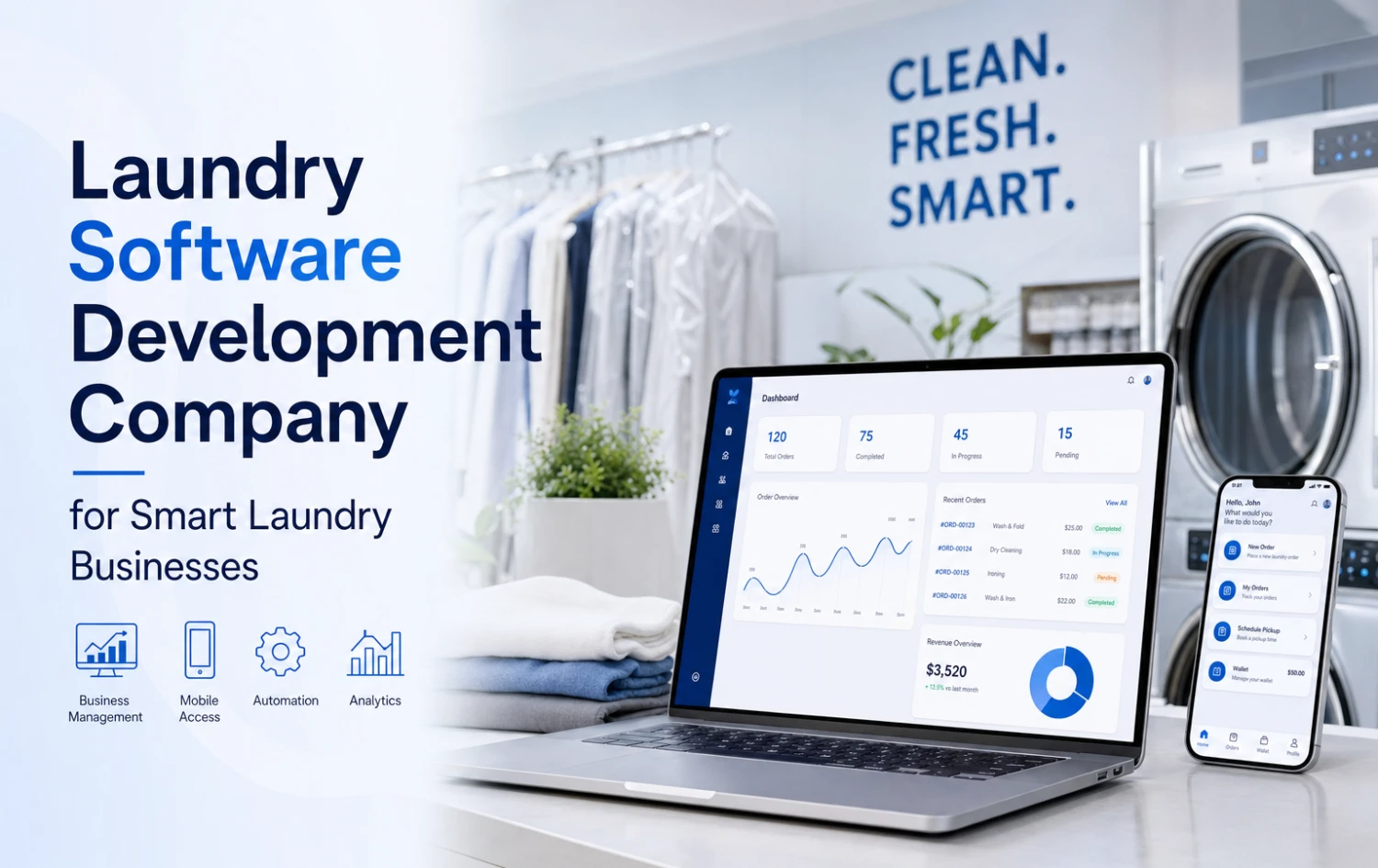
Laundry Software Development Company for Smart Laundry Businesses
Oct 08, 2026






















Post a Comment